Home › Commercial Brick Veneer Systems
We install commercial brick veneer systems in Lansing, MI for new buildings and renovations. Our crews are experienced with cavity wall veneers, support angles, flashing, and expansion joints to keep your facade attractive and watertight.
Superior Masonry Lansing provides professional commercial brick veneer throughout Lansing, MI, Michigan and the surrounding area. Our licensed, insured crew delivers safe, clean, on-time work with a free estimate before anything begins. Call (517) 289-4333 or request your free quote.
Commercial Brick Veneer for Lansing Businesses
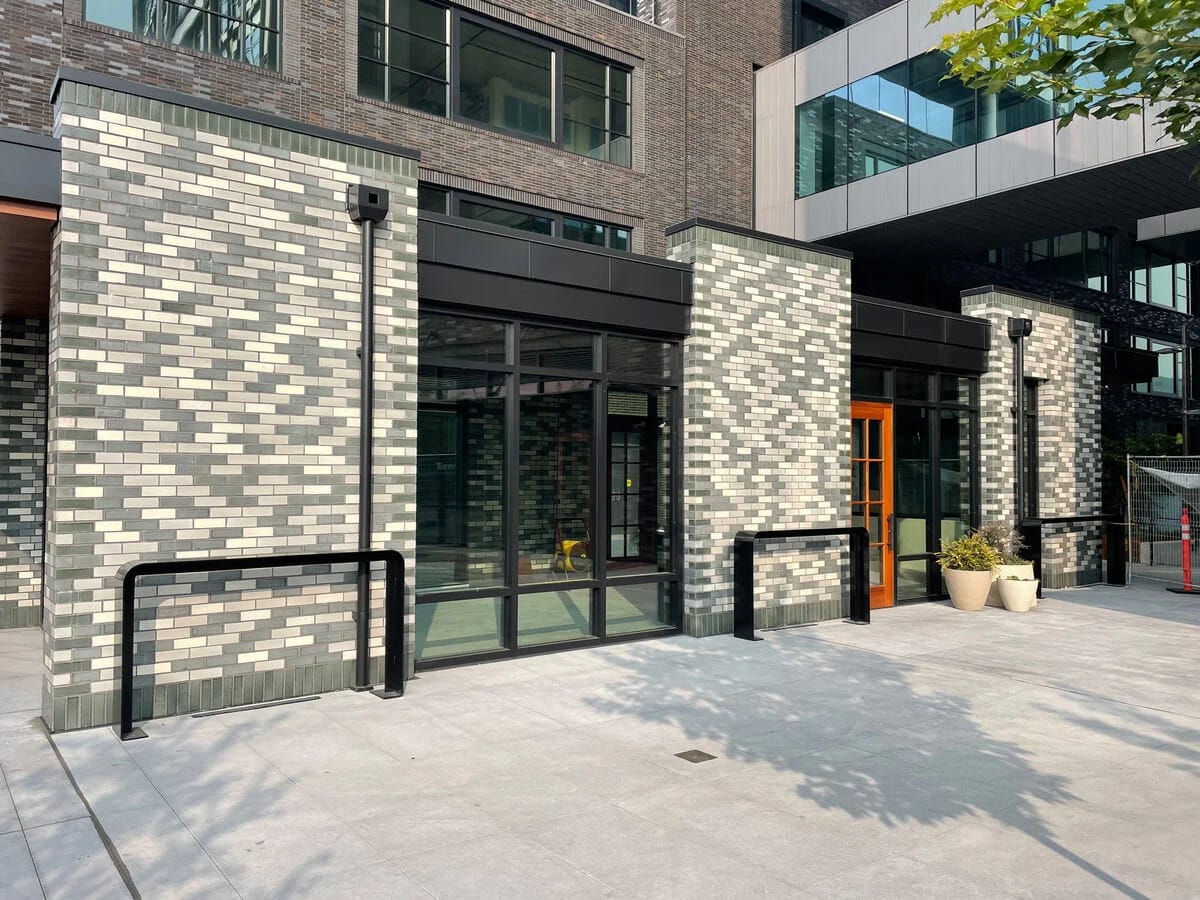
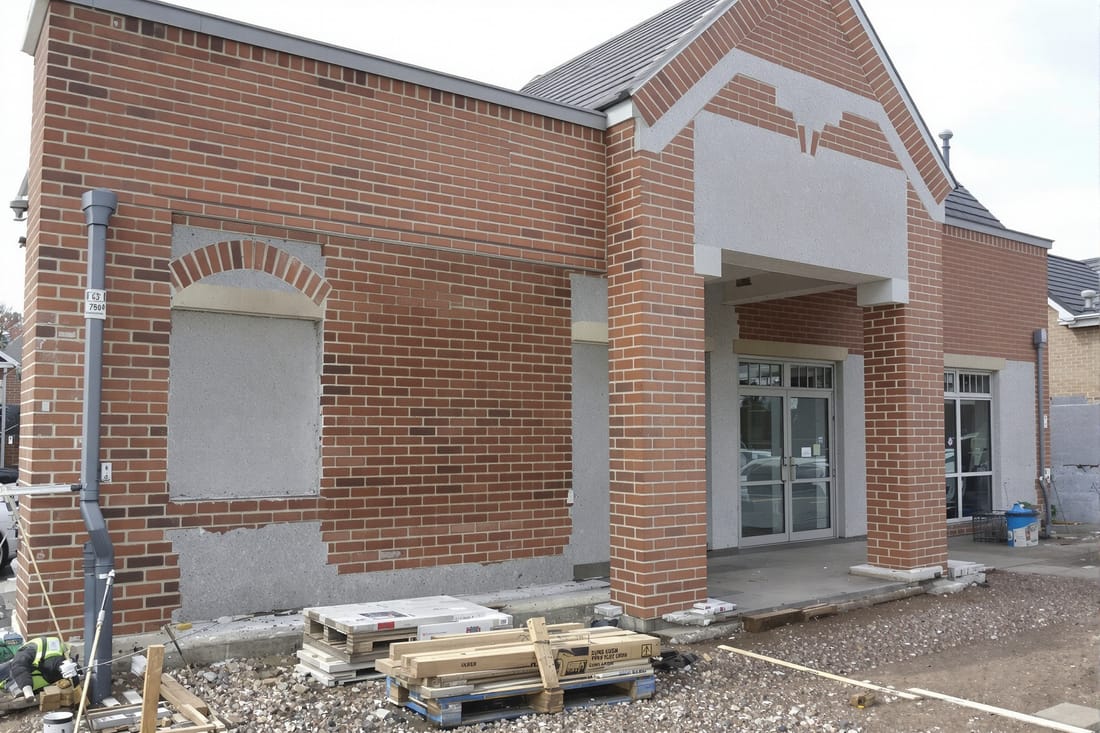
Commercial brick veneer gives you the look and durability of masonry without the cost and weight of full brick walls. Superior Masonry Lansing installs engineered veneer systems on new builds and existing commercial properties throughout Lansing and mid-Michigan.
Our crews work on retail centers, restaurants, medical offices, schools, multifamily buildings, industrial facilities, and municipal projects. We understand local building codes, fire ratings, energy requirements, and the reality of Michigan freeze-thaw cycles. That knowledge shapes the way we design, flash, anchor, and detail every commercial brick veneer system.
Instead of pushing one standard product, we look at your structure, budget, and maintenance expectations. We then recommend a specific veneer system, fastener schedule, moisture management approach, and brick profile that match your building and local conditions in Lansing.
If you already have drawings, we can price and build exactly what is specified or help your architect value-engineer the veneer to reduce cost without cutting corners on structural performance or appearance.
How a Commercial Brick Veneer System Is Built
A commercial brick veneer is a layered system, not just a thin brick on a wall. Superior Masonry Lansing follows a defined sequence so the veneer looks good, stays secure, and drains properly.
1) Substrate inspection and prep. We verify that the structural wall (concrete, CMU, steel studs with sheathing, or precast) is plumb, sound, and ready for anchors. Any cracks, spalls, or loose sheathing are repaired before we attach anything.
2) Moisture and air barrier. On framed walls, we apply a commercial-grade weather barrier or fluid-applied air barrier. Seams, joints, and penetrations are detailed around windows, doors, and mechanicals to prevent water from tracking behind the veneer.
3) Flashings and weeps. We install through-wall flashing at base of wall, at shelf angles, and above openings, then place weeps at the correct spacing. In Lansing’s climate, this drainage layer is what keeps brick veneers from trapping water and popping or bowing when temperatures swing.
4) Anchors and support. For traditional anchored brick veneer, we install adjustable brick ties or anchors into studs, CMU, or concrete according to engineered spacing. On high walls or structural steel frames, we coordinate with your steel or precast contractor on shelf angles and brick ledges.
5) Brick installation. We lay brick or thin brick to the specified bond pattern, color blend, and joint profile. For adhered thin brick systems, we follow the manufacturer’s mortar or panel adhesive requirements so warranty coverage stays intact.
6) Tooling, cleaning, and sealing. Joints are tooled to consistent depth and profile, then the wall is cleaned with the correct masonry cleaner for your brick type. If a breathable sealer is specified, we apply it at the proper coverage rate after the wall cures.
Design and Material Options for Your Project
Commercial brick veneer can be customized heavily, and the right choices will affect how your building weathers Michigan winters and how often it needs cleaning.
Brick types. We install full-face brick for anchored veneer and thin brick units for panelized or adhered systems. Options include extruded brick for a clean look, molded or tumbled brick for character, and smooth or wirecut textures depending on how easily you want graffiti or road grime to wash off.
Colors and blends. In the Lansing area, many owners choose red-brown blends that hide salt stains and road dust. For medical or office buildings, lighter buff and gray tones with accent bands are common. Superior Masonry Lansing can order custom blends and mock up small walls on site so you see the real color in local light, not a brochure photo.
Joint profiles and mortar colors. Concave joints shed water better in freeze-thaw conditions, which is why they are our default recommendation. Raked or flush joints can be used on sheltered areas. Mortar color can either blend with the brick or create contrast, and we show you cured mortar samples before the job starts.
System types. We install traditional anchored veneer with brick ledges, thin brick over metal or cement board panels, and EIFS or insulated panels with brick facings where weight or structural support is limited. For downtown retrofits where foundations are shallow, a thin brick system on engineered panels can avoid costly structural upgrades.
What Affects Cost and Schedule in Lansing
Commercial brick veneer pricing depends on a mix of structural conditions, design choices, and project timing. Superior Masonry Lansing lays this out in plain terms before you commit.
Key cost drivers include:
• System type. Traditional anchored brick veneer with full brick and masonry backup is more material and labor intensive than thin brick on panels. However, it can offer better impact resistance at the base of busy commercial buildings.
• Wall height and access. Single-story strip plazas with easy lift access cost less per square foot than multi-story downtown buildings that require swing stages or complex scaffolding.
• Detailing density. Multiple color changes, soldier courses, projecting bands, and intricate patterns all add layout and cutting time. We itemize these details so you can see what each design feature adds to your budget.
• Existing conditions. On retrofit projects, unknowns behind old siding or failing veneer can add repair work. We strongly recommend selective demolition early, so we can give you a realistic allowance rather than surprise change orders.
Schedule in mid-Michigan is also driven by climate. The most efficient months for brick veneer work in Lansing are April through mid-November, when temperatures and moisture levels support proper mortar curing. Winter work is possible, but it requires heated enclosures, cold-weather mortars, and more labor, which drives up cost.
We plan sequences with your general contractor so veneer crews do not clash with other trades around scaffolding, lifts, and staging areas.
Local Climate Challenges and How We Address Them
Lansing buildings see rapid freeze-thaw cycles, wind-driven rain, and winter de-icing salts from nearby parking lots and streets. These conditions are tough on commercial brick veneer, especially at ground level and along parapets.
Superior Masonry Lansing designs veneer systems to manage these specific risks.
Moisture management. We are strict about drainage planes, weep spacing, and flashing laps. At parapets and roof edges, we coordinate with roofing contractors to tie flashings into the roofing system so water does not migrate behind the brick.
Freeze-thaw performance. We recommend appropriate brick durability ratings for Michigan and limit the use of highly absorbent brick at grade. Mortar selection also matters. We choose a mortar type that balances strength and flexibility so joints do not crack every time the temperature drops.
De-icing salts and impact. For areas that take abuse from snow removal equipment and road salt, we often suggest darker, denser brick units with sacrificial base courses that can be replaced more easily if they deteriorate. In some cases, we recommend concrete or stone base bands at loading docks and service drives instead of brick.
Maintenance planning. We explain realistic cleaning intervals, joint inspection schedules, and where sealers help and where they create more problems by trapping moisture. A simple annual walk-around with a building engineer and a mason can catch small veneer issues in Lansing’s climate before they turn into bulges or water intrusion.
What to Ask Before You Hire a Commercial Brick Veneer Contractor
Before you choose a contractor for commercial brick veneer in Lansing, there are a few things you should verify. Superior Masonry Lansing encourages owners, architects, and general contractors to ask these questions of any bidder, including us.
1) Experience with commercial systems, not just residential brick. Commercial veneer requires coordination with structural steel, air barriers, insulation, and fire-stopping. Ask for recent local projects of similar size and system type.
2) Detailed scope and shop drawings. You should see how flashings, weeps, movement joints, and transitions are handled. If the proposal does not mention these, you are likely looking at a bare-bones scope that may cost more in change orders later.
3) Local code and inspection familiarity. In Michigan, inspectors will look at anchorage, support angles, and fire-resistance where veneers meet rated walls. Your contractor should know what the City of Lansing and surrounding townships expect.
4) Weather and schedule plan. Ask how they handle cold-weather masonry, rain delays, and protection of partially completed walls. A clear plan here protects your schedule and your finished veneer.
5) Warranty and service. Clarify both material and workmanship warranties, then ask how post-completion service calls are handled. We keep records of your specific brick, mortar, and flashing products, so repairs years later match the original work.
When you are ready to discuss a new commercial brick veneer system or need to assess an existing one in the Lansing area, Superior Masonry Lansing can walk your building, review drawings, and provide a straightforward options list with pricing and timing.