Home › Commercial Retaining Walls
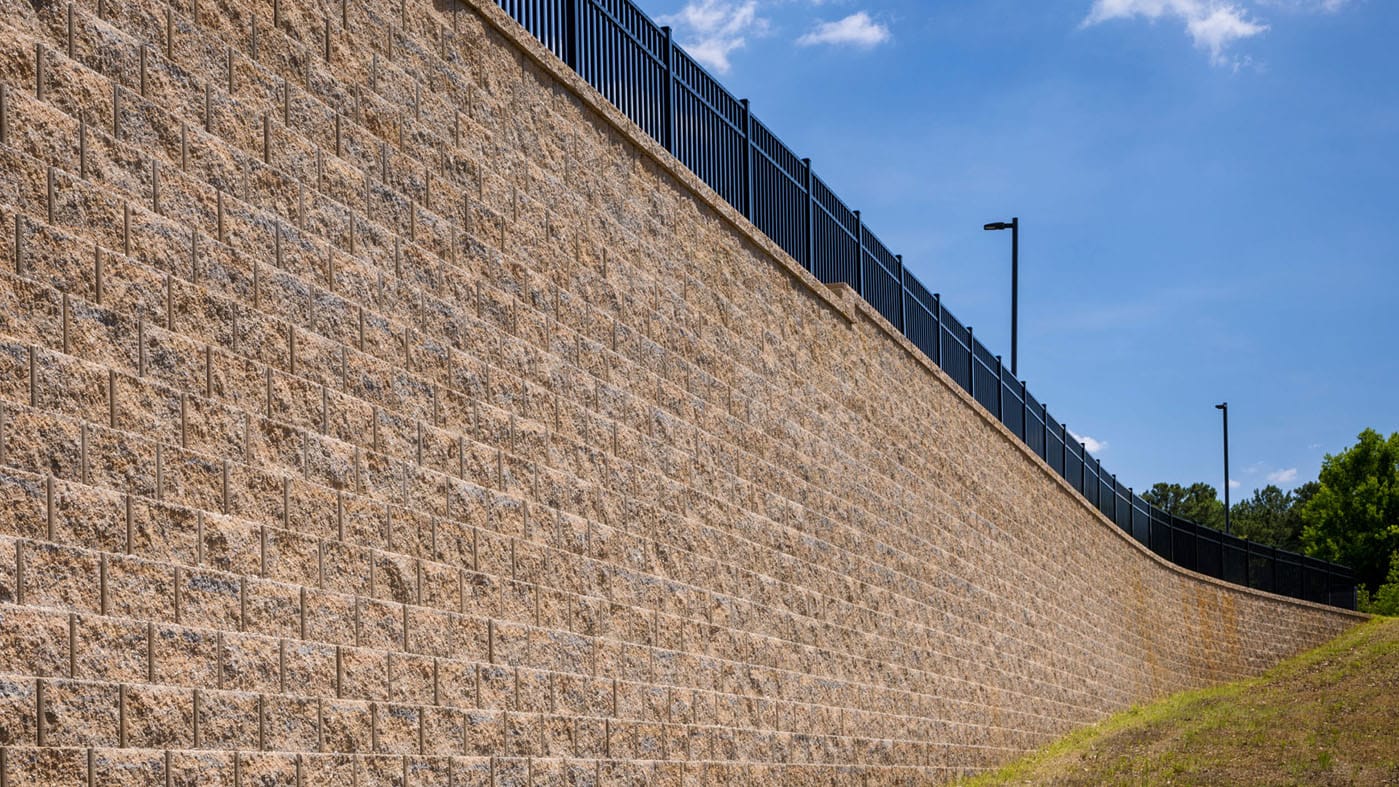
We build commercial masonry retaining walls in Lansing, MI for parking lots, loading areas, and site grading. Our walls are engineered for soil loads and drainage so your property stays stable and functional over time.
Superior Masonry Lansing provides professional commercial masonry retaining walls throughout Lansing, MI, Michigan and the surrounding area. Our licensed, insured crew delivers safe, clean, on-time work with a free estimate before anything begins. Call (517) 289-4333 or request your free quote.
Commercial Retaining Walls Built for Lansing Businesses
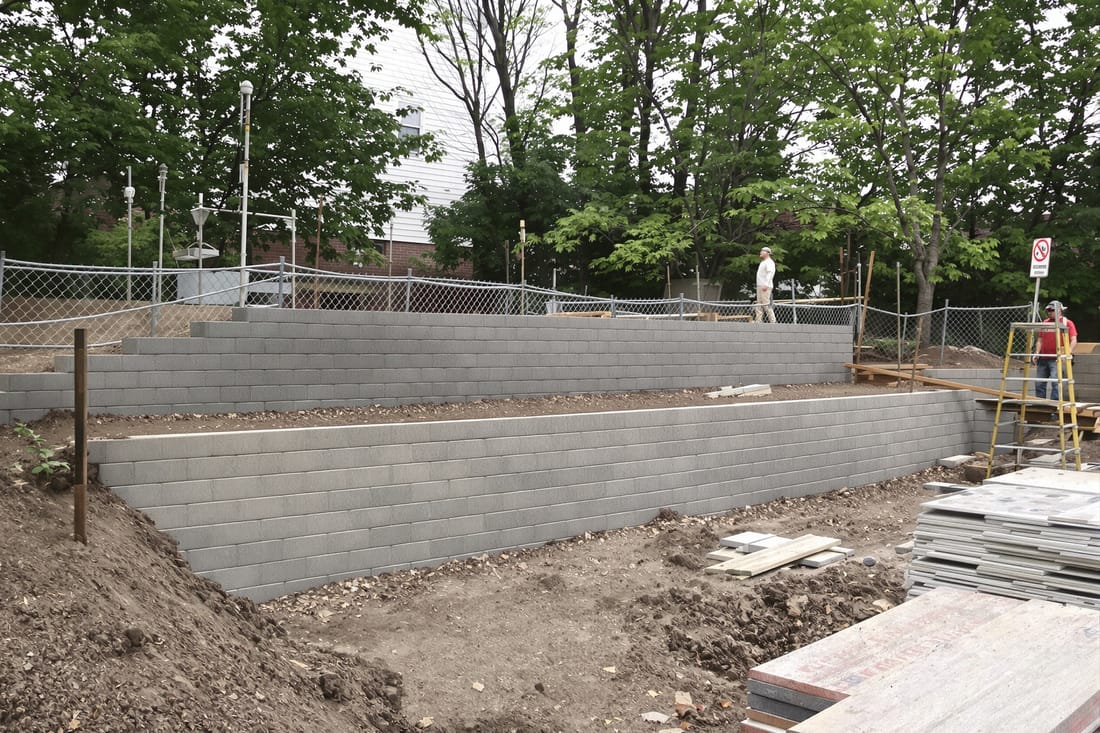
Commercial properties in Lansing face real pressure from sloped sites, aging infrastructure, and Michigan freeze‑thaw cycles. At Superior Masonry Lansing, we design and build commercial masonry retaining walls that do more than hold soil. They protect foundations, control drainage, and create usable space for parking, loading, and pedestrian areas.
We regularly work on sites along busy corridors like Saginaw Highway, Cedar Street, and near the Capitol district, where space is tight and walls must meet specific engineering, safety, and appearance standards. Whether you manage a small retail plaza in Delta Township, an industrial facility on the south side, or a multi‑family complex near MSU, we tailor every wall to the use, the soil conditions, and the surrounding structures.
From the first walk‑through, our focus is on long‑term stability, not just getting concrete and block in the ground. We look at how trucks move, where pedestrians walk, how snow is piled in winter, and how water currently drains. This practical approach helps you avoid problems like heaving, bowing, or premature cracking that can shut down parts of your property or lead to expensive emergency repairs.
How We Plan and Design Your Masonry Retaining Wall
A reliable commercial retaining wall starts with careful evaluation and planning. When Superior Masonry Lansing visits your site, we document existing grades, nearby structures, utilities, and any visible signs of soil movement or drainage problems. For walls above certain heights or in sensitive locations, we coordinate with a licensed structural engineer to produce stamped drawings that satisfy Lansing and State of Michigan code requirements.
Design decisions are driven by how the wall will be used. For example, a low wall along a restaurant patio has different load requirements than a tall wall supporting a parking lot where delivery trucks will be right at the edge. We factor in surcharge loads (weight from vehicles, stored materials, or nearby buildings), local frost depth, and typical Lansing soil types like compacted clay and fill found on many redeveloped sites.
We also plan for access. On tight downtown lots or existing shopping centers, we sequence work so that businesses can keep operating, often breaking construction into sections and setting up safe pedestrian paths. The final design package typically includes wall layout, footing dimensions, drainage details, reinforcement schedule, and a clear construction sequence, so you understand exactly what will happen on your property and when.
Materials and Construction Methods for Commercial Masonry Retaining Walls
Superior Masonry Lansing works with several masonry systems so we can match performance, appearance, and budget. Common options include engineered concrete block retaining wall systems (segmental block), cast‑in‑place concrete with a masonry veneer, and traditional concrete masonry units (CMU) with reinforcing steel and grout. For high‑visibility retail fronts we often recommend segmental blocks with textured faces, while industrial facilities may favor reinforced CMU or cast concrete for maximum strength and simpler maintenance.
After layout and excavation, we install a compacted base, typically a dense graded aggregate, to form a stable footing. Proper base thickness is especially important in mid‑Michigan's freeze‑thaw climate, where poor base prep quickly leads to settlement and leaning. Walls are then built in lifts, with geogrid reinforcement extending back into the retained soil when required by design. We pay close attention to block alignment, joint spacing, and reinforcement placement so that the structure performs as engineered.
Behind the wall, we install free‑draining backfill material, such as clean crushed stone, wrapped in filter fabric where needed to keep fines out. Perforated drain tile is placed at the base to carry water away from the wall and tie into your existing storm system or daylight on a slope. This hidden drainage system is one of the most important pieces of commercial retaining wall construction, and cutting corners here is a main reason many older Lansing walls fail. We also finish exposed surfaces with sealers, caps, or veneers that fit your property’s aesthetic and improve long‑term durability.
Common Site Challenges in Lansing and How We Address Them
Commercial sites in Lansing often come with complications that affect retaining wall design and cost. Many properties were built decades ago and have been reworked multiple times, which means fill soils, buried debris, or undocumented utilities can appear as soon as excavation starts. Superior Masonry Lansing anticipates these issues by scheduling test pits or soil borings when needed, and by coordinating utility locates and exploratory digs before major equipment arrives.
Winter and shoulder‑season work is another local reality. Michigan weather does not always cooperate with project schedules. When retaining walls must be constructed in colder months, we use cold‑weather concrete practices such as heated blankets, temporary enclosures, and adjusted mix designs, and we avoid placing base and backfill on frozen ground. This adds some cost, but it is far less expensive than repairing a wall that was rushed in poor conditions.
Drainage is a frequent problem on older Lansing commercial properties. We often see failing timber or railroad tie walls that were built with minimal drainage and now lean or bulge. When we replace these, we correct the grading, install proper drain tile, and coordinate with civil engineers to integrate the new wall into the site’s stormwater plan. Addressing these root causes protects adjacent pavements and foundations and can reduce standing water or icing issues in parking lots and walkways.
What Influences Cost and Timeline for Your Project
Commercial masonry retaining wall costs in Lansing are driven by several practical factors: wall height and length, soil conditions, access for equipment, chosen materials, and engineering requirements. A tall wall supporting a drive lane or loading dock needs more reinforcement, geogrid, and engineered backfill, which can significantly increase both material and labor costs compared to a low landscape wall of the same length.
Tight sites where excavators and loaders must be smaller and trucking is less efficient will naturally cost more than open, easily accessible lots. Similarly, poor or unsuitable soils may require over‑excavation and replacement with engineered fill, or even helical piers or other deep foundations for extremely sensitive structures. During our estimating process, Superior Masonry Lansing clearly separates these potential contingencies so you understand what is included and what might change if unexpected conditions are found.
Timeline depends on permitting, engineering review, and the complexity of the wall. Straightforward projects on open ground can sometimes be completed within a couple of weeks once approvals are in place. More complex, phased projects, especially those around active tenants or critical operations, may be scheduled in stages and coordinated with other contractors. We provide a written schedule, communicate milestones, and adjust around your operational needs so that access, deliveries, and customer traffic remain as smooth as possible during construction.
What Lansing Property Owners Should Check Before Hiring
Before you commit to any contractor for commercial masonry retaining walls, there are a few specific items that are worth checking in the Lansing area. Confirm that the contractor is familiar with local building and zoning requirements, including when an engineered design and permits are required. Superior Masonry Lansing routinely works with the City of Lansing, surrounding townships, and local engineers, so our plans are prepared with approvals in mind rather than as an afterthought.
Ask to see examples of completed retaining walls that are at least 5 to 10 years old in a comparable setting, such as a retail center or industrial yard. Long‑term performance is the best indicator of quality, especially through Michigan winters. It is also important to ask how the contractor handles drainage, freeze‑thaw protection, and backfill specifications. If these topics are glossed over, you may be looking at future problems.
Finally, make sure you understand what ongoing maintenance will look like. A properly built masonry retaining wall should not require major attention, but periodic inspections, cleaning of drain outlets, and prompt repair of minor damage from vehicles or plows will help it last as long as intended. We walk our clients through these maintenance expectations and remain available for future repairs or expansions, so your retaining wall investment continues to support your property for decades.