Home › Masonry Restoration and Historic Preservation
We offer historic masonry restoration services in Lansing, MI for older brick and stone buildings. Our team uses appropriate materials and methods to clean, repair, and preserve original facades while respecting historic character and details.
Superior Masonry Lansing provides professional historic masonry restoration throughout Lansing, MI, Michigan and the surrounding area. Our licensed, insured crew delivers safe, clean, on-time work with a free estimate before anything begins. Call (517) 289-4333 or request your free quote.
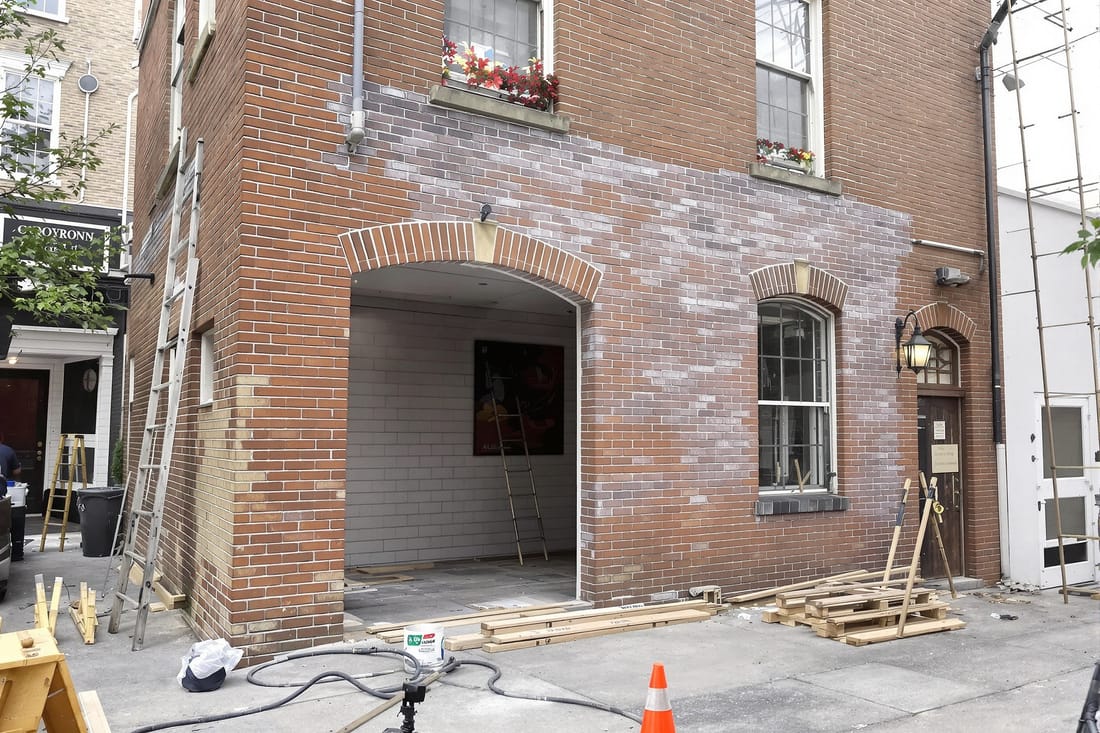
Historic masonry restoration in Lansing, MI, done the right way
Historic masonry restoration is not the same as basic brick repair. Older Lansing and mid-Michigan buildings were built with different bricks, mortars, and structural methods than modern construction, and treating them like new work can cause permanent damage. Superior Masonry Lansing focuses on preserving the original character and performance of your masonry while correcting structural and cosmetic problems.
On a typical project, we start with a detailed site inspection that looks beyond loose bricks and obvious cracks. We study brick size, firing method, and color, examine mortar joints under magnification, and test hardness and porosity. This tells us whether your building was built with softer, lime-rich mortar or harder cement-based mortar, and what type of replacement materials will be compatible.
Because Lansing experiences freeze-thaw cycles, road salt exposure, and wind-driven rain, we also map where water is entering and where masonry is spalling or flaking. That information guides our repair strategy so we are not just fixing visible damage, but also addressing the moisture paths that caused it in the first place.
How we evaluate and plan your masonry restoration
A solid plan is the difference between a repair that lasts two winters and one that protects your building for decades. Superior Masonry Lansing begins every historic masonry restoration with documentation. We photograph all elevations, mark areas of concern, and, when needed, create a simple facade drawing to track conditions.
We then perform mortar analysis. On many older Lansing homes and commercial buildings, the original mortar is softer and more flexible than modern mixes. We carefully remove small samples and perform on-site tests for hardness, aggregate size, and color. When appropriate, we coordinate with a lab for detailed analysis so we can match the original binder (lime or lime-cement), sand gradation, and pigment.
We also check for structural movement. Stair-step cracks in brick, bulging walls, and uneven lintels can mean that settlement or rusting steel is pushing masonry out of alignment. In these cases we may recommend targeted structural repairs, such as helical anchors or lintel replacement, as part of the restoration plan.
Repointing and mortar matching for historic brick and stone
Repointing is one of the most common elements of historic masonry restoration and one of the easiest to get wrong. Using mortar that is too hard or too dense can trap moisture in softer historic bricks, which then crack and spall in Michigan winters. At Superior Masonry Lansing we design repointing mixes to be compatible with the existing masonry, not just convenient.
After mortar analysis, we prepare sample mixes using specific sand blends and pigments to match your building. We test samples in small, inconspicuous areas and let them cure, then compare them in natural light. This extra step matters on older Lansing neighborhoods where mismatched mortar can make a facade look patchy and diminish historic character.
During repointing, we use narrow chisels and dust-controlled grinders to remove deteriorated joints to the correct depth, usually at least 2 to 2.5 times the joint width. Joints are cleaned, lightly dampened, then packed with new mortar in lifts to avoid shrinkage. We tool the joints to match the original profile, such as concave, weathered, or flush, so the repair blends in instead of standing out.
Brick, stone, and terracotta repair and replacement
Older masonry in Lansing often includes materials that are no longer manufactured in standard sizes or colors. Rather than forcing in modern brick that does not match, Superior Masonry Lansing works to repair or source appropriate replacements.
For bricks with surface spalling or chipped corners, we may use specialized restoration mortars or dutchman repairs, where a small, carefully shaped piece of brick or stone is bonded into the damaged area. This preserves more original material and avoids unnecessary demolition. When full replacement is necessary, we search salvaged brick yards, regional manufacturers, and custom firing options to get as close as possible to the original appearance and performance.
Historic buildings may also feature limestone sills, sandstone details, or decorative terracotta. These materials require different tools and repair techniques than standard brick. We clean them with low-pressure methods, repair cracks with compatible patching compounds, and when needed have new pieces cut or cast to match profiles. All of this is coordinated so that new elements weather at a similar rate to the existing facade in Lansing’s climate.
Cleaning, sealing, and protecting historic facades
Cleaning historic masonry is not about blasting away decades of history. Abrasive methods and harsh chemicals can permanently etch or weaken old brick and stone. Superior Masonry Lansing relies on a combination of test patches, low-pressure washing, and masonry-specific cleaners to safely remove dirt, biological growth, and soot without stripping the fired surface of the brick.
We always test in small areas first to evaluate runoff staining and the effect on mortar and masonry. In older Lansing buildings that have already seen harsh cleaning in the past, we may recommend limiting cleaning to the most affected areas to avoid exposing softer, more porous surfaces.
When it comes to sealing, we are careful. Many historic walls need to breathe, especially those built without interior vapor barriers. We use breathable, silane or siloxane-based water repellents only when appropriate, focusing on highly exposed areas like parapets, chimneys, and windward walls. These treatments help reduce water absorption and freeze-thaw damage while still allowing trapped moisture to escape.
How Lansing’s climate and seasons affect your project
Mid-Michigan weather shapes both the timing and the methods of historic masonry restoration. Mortar and repair materials need specific temperature and moisture conditions to cure properly. In Lansing, that usually means most major restoration work is scheduled from late spring through early fall, avoiding hard freezes and extreme heat.
If urgent stabilization is needed in winter, Superior Masonry Lansing can use cold-weather procedures such as tenting, temporary heat, and specialized admixtures, but we are honest about what can and cannot be done safely in low temperatures. Some heritage projects are better protected with temporary coverings and then fully restored once conditions improve.
We also pay close attention to roof drainage and snow melt patterns. Ice dams, overflowing gutters, and poorly directed downspouts are common contributors to masonry damage in our area. As part of your project, we often recommend small but important changes, such as extending downspouts, improving flashing, or adjusting site grading, so that your restored masonry is not immediately exposed to the same water issues that damaged it.
Costs, permitting, and what to expect when you hire us
Historic masonry restoration costs are driven by access, extent of deterioration, material availability, and whether structural repairs are involved. A simple repointing project at ground level on a small Lansing home might be relatively modest, while multi-story commercial buildings, chimney rebuilds, or intricate stone repairs require more labor, scaffolding, and specialty work.
Superior Masonry Lansing provides detailed written proposals that break down the scope: which walls and elevations are included, how deep joints will be cut, what materials we will use, and any contingencies for hidden damage. This transparency helps you compare our plan with others on more than just price. When working on designated historic properties or in certain Lansing districts, we coordinate with owners, architects, and local review boards to ensure that our methods and materials meet preservation guidelines.
During the project, you can expect controlled dust, clean job sites, and regular communication. We often stage work in sections so that businesses can remain open and residents can access their homes. At completion, we walk the property with you to review all work, answer maintenance questions, and discuss simple ongoing care, such as monitoring joints, keeping vegetation off walls, and planning periodic inspections so your restored masonry continues to perform as intended.